Daikin vs. Goodman: Pricing, Performance, and Efficiency
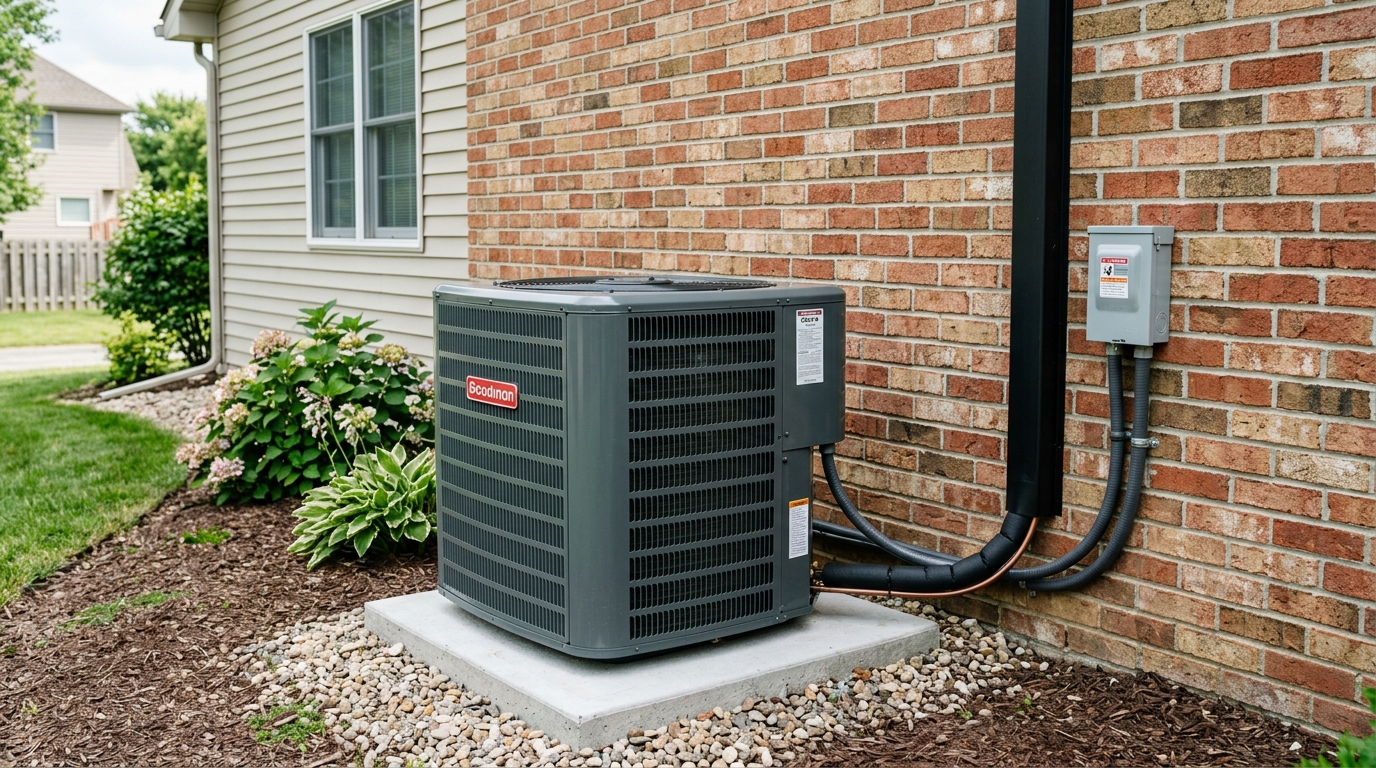
When homeowners and technicians compare Daikin vs Goodman, they are usually trying to answer one simple question: which system gives me the best value for my money over a 15-year lifecycle?
That question is often misunderstood. Value in HVAC is not just about initial sticker price; it is about how a system performs day in and day out, how much electricity it consumes during peak summer heat, and how easy and affordable it is to repair when a part fails.
Both brands are major players in the North American heating and cooling market, and importantly, they are connected: Daikin Industries owns Goodman Manufacturing. That means shared engineering standards and overlapping technology, but very different positioning.
Brand Philosophy: Performance vs Practicality
To understand Goodman vs Daikin, you need to start with how each brand approaches HVAC design.
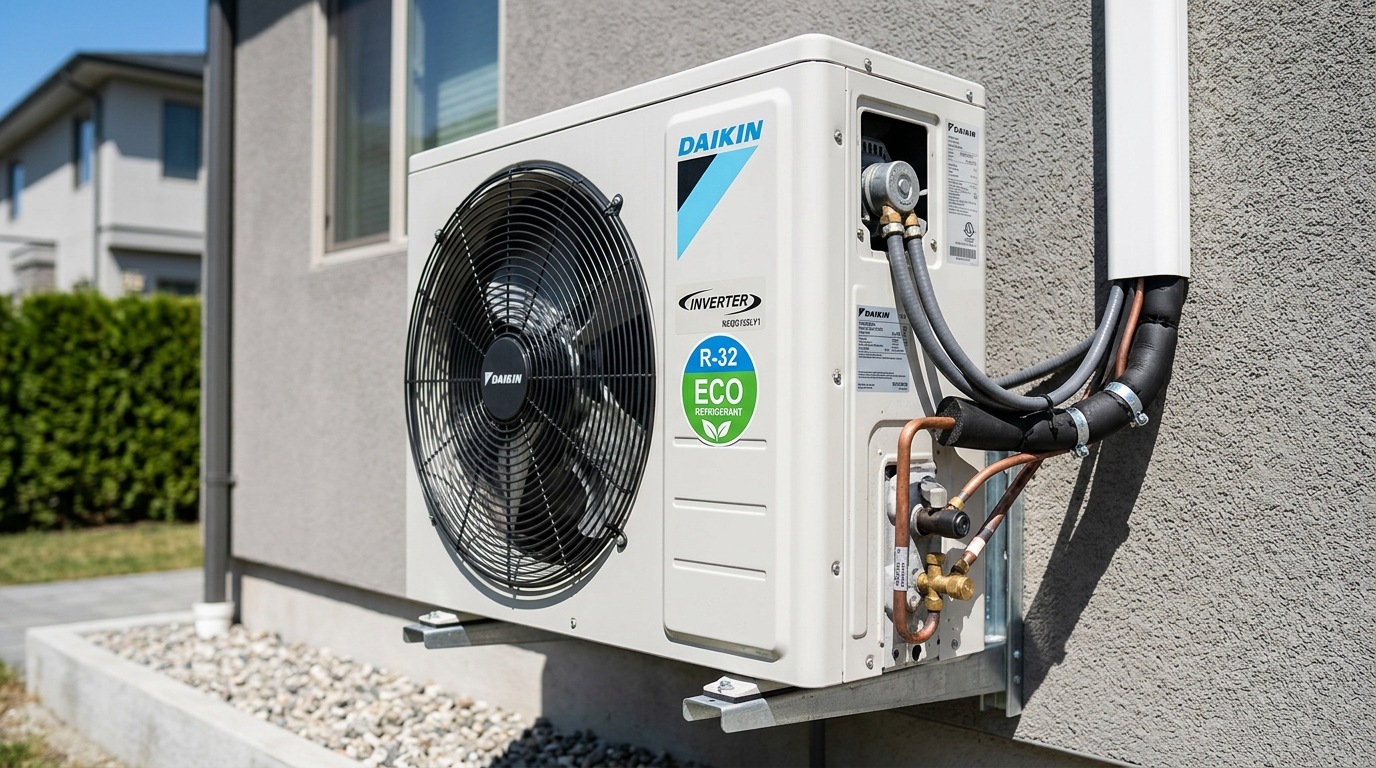
Daikin is engineered for high performance. Its flagship systems are built around inverter-driven variable-speed compressors, advanced electronic controls, and high seasonal energy efficiency ratings (SEER2). The goal is to create an ultra-stable indoor climate with minimal temperature swing and ultra-quiet outdoor operation.
Goodman, on the other hand, is engineered for practical, dependable affordability. Its systems are simpler, more accessible, and exceptionally easy for any licensed HVAC contractor to install, service, and source parts for. Instead of pushing the absolute limit of inverter complexity on entry-level models, Goodman focuses on delivering rock-solid reliability at an unbeatable price point.
Pricing: What You Pay vs What You Spend
Price is where most comparisons begin, and often where they end. But that's a mistake.
- Goodman systems are more affordable upfront, making them the industry standard for budget-conscious homeowners, rental properties, and quick emergency replacements.
- Daikin systems cost more initially, especially models equipped with inverter compressors and SEER2 ratings exceeding 18–20.
- Over time, Daikin systems can lower monthly utility bills due to their ability to ramp down compressor capacity to as low as 25% during mild weather.
Here is the distinction that actually matters: upfront purchase price versus lifetime operating cost. Goodman reduces the barrier to entry without sacrificing essential reliability. Daikin is designed to reduce ongoing utility bills, especially in extreme climate zones where cooling or heating runs continuously.
Performance: What Comfort Actually Feels Like
Performance differences between Daikin and Goodman become noticeable in everyday use, not just on spec sheets.
Daikin systems use modulating inverter compressors that continuously adjust refrigerant output to match the home's real-time cooling load. This prevents the noticeable temperature spikes and drafts associated with traditional single-stage equipment, while maintaining superior indoor humidity removal.
Goodman systems typically use rugged, time-tested single-stage or two-stage Copeland scroll compressors. They operate in standard cycles, reaching the setpoint efficiently and shutting down. It is dependable, predictable, and proven over decades of field service.
Energy Efficiency: Where the Real Savings Come From
Energy efficiency is one of the largest factors in the Daikin vs Goodman decision.
Daikin systems frequently achieve SEER2 ratings between 18 and 24+, placing them in the premium high-efficiency tier. Goodman systems typically fall into the 14.3 to 17.2 SEER2 bracket, which satisfies all current Department of Energy (DOE) regional standards while keeping equipment costs grounded.
| Feature / Specification | Goodman Split Systems | Daikin Inverter Systems |
|---|---|---|
| Compressor Type | Single-Stage / Two-Stage Scroll | Variable-Speed Inverter |
| SEER2 Efficiency | 14.3 – 17.2 SEER2 | 16.0 – 24.0+ SEER2 |
| Sound Levels | 69 – 75 dBA | 56 – 68 dBA (Whisper Quiet) |
| Parts Availability | Ubiquitous across all supply houses | OEM Distribution Network |
| Upfront Equipment Cost | $$ (Budget to Moderate) | $$$$ (Premium) |
Build Quality and Maintenance: The Long-Term Reality
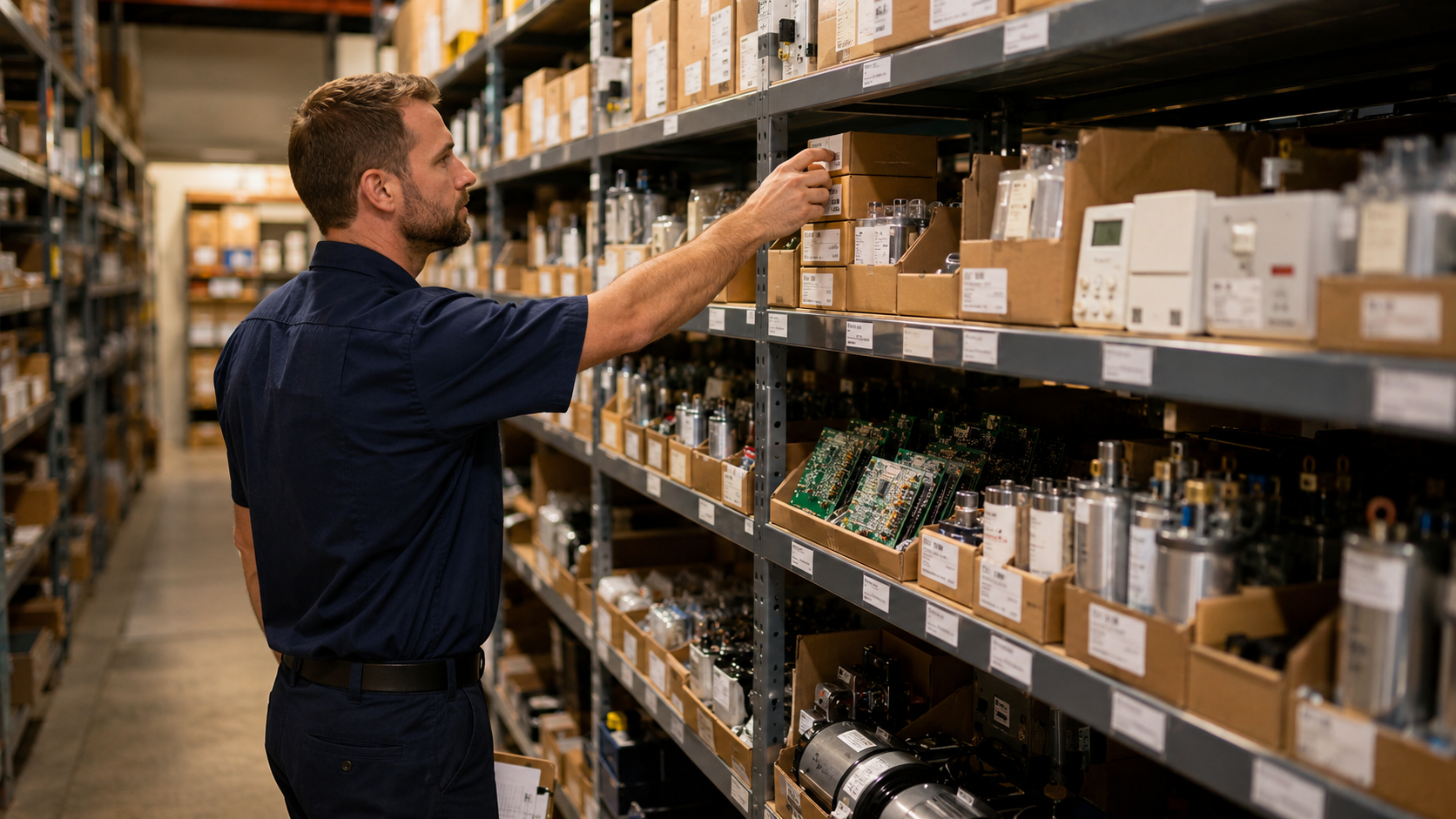
When it comes to long-term ownership, serviceability is king. Because Goodman systems use standardized electrical contactors, standard draft inducers, and accessible gas valves, almost every HVAC technician carries compatible replacement parts on their service van.
Pro Tip for Contractors: When replacing furnace draft inducers or gas valves on Goodman units, always verify OEM part numbers such as the Goodman 66005 Inducer Motor or Goodman 36G22-254 Gas Valve to maintain factory safety certifications and warranty coverage.
Daikin systems feature coated coils, corrosion-resistant outdoor casings, and integrated self-diagnostic boards that help technicians pinpoint communication and sensor errors rapidly using digital diagnostic tools.
Final Recommendation: Which Should You Choose?
- Choose Goodman if: You want maximum reliability per dollar spent, lower upfront installation costs, simple maintenance, and readily available replacement parts anywhere in North America.
- Choose Daikin if: You are looking for whisper-quiet outdoor sound levels, precise multi-zone humidity control, maximum energy rebates, and cutting-edge variable-capacity efficiency.
Explore our full catalogue of genuine Goodman replacement parts, motors, gas valves, and diagnostic tools at Texpert Deals with fast nationwide shipping.